
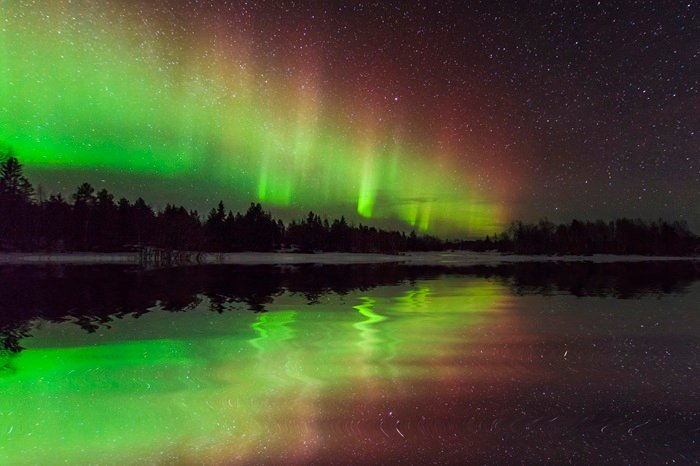

Best Place for Northern Lights — The Honest Guide for U.S. Travelers Who Are Done Guessing
Every travel list on the internet will tell you to go to Iceland. Some will mention Norway. A few will throw in Canada for variety. What almost none of them will tell you is which specific location within those destinations actually delivers consistent aurora viewing — and which ones are overpriced, overcast, or overrated for the purpose.
Finding the best place for northern lights is not about picking the most photogenic country. It is about understanding three variables — latitude, cloud cover frequency, and light pollution — and then matching those variables to your budget, travel window, and tolerance for uncertainty. Aurora hunting is never guaranteed. But some places stack the odds dramatically in your favor, and others quietly work against you.
Here is what actually matters.
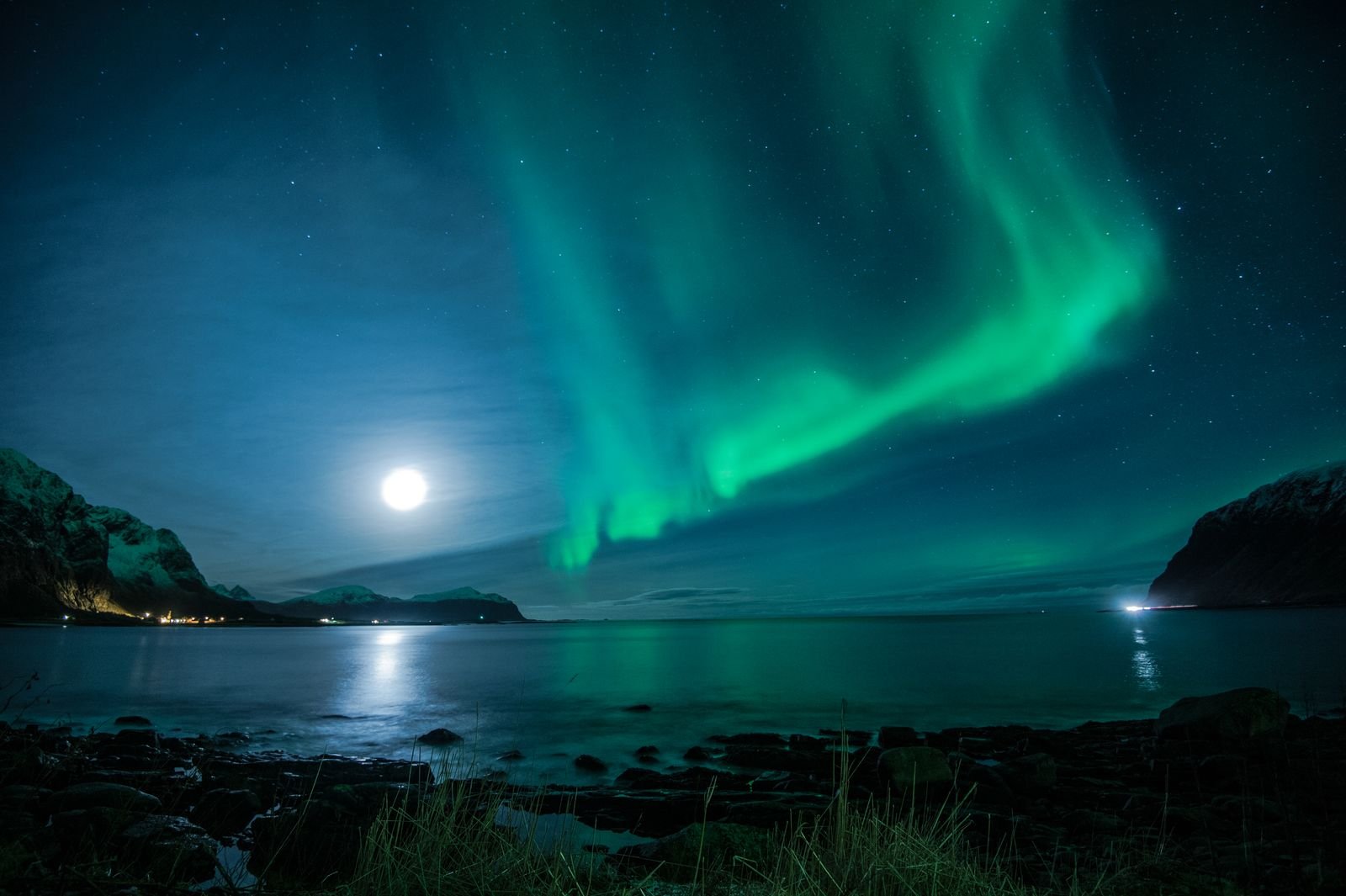
Fairbanks, Alaska — The Best Place for Northern Lights in the U.S. and It Is Not Close
If you want the best place for northern lights without leaving American soil, Fairbanks is the answer — and it is not a close competition with anywhere else in the lower 48.
Fairbanks sits at 64.8 degrees north latitude, well inside the auroral oval — the ring-shaped zone around the magnetic pole where aurora activity is most consistently concentrated. The University of Alaska Fairbanks Geophysical Institute has tracked aurora activity here for decades and reports that Fairbanks averages over 200 auroral nights per year. That number is almost incomprehensible compared to what most destinations offer.
The city itself has low light pollution relative to its size, and the surrounding boreal forest provides easy access to genuinely dark sky within 20 minutes of downtown. Chena Hot Springs Resort, located 60 miles northeast of Fairbanks, has built an entire infrastructure around aurora viewing — including an Aurora Alert system that wakes guests when activity begins, heated outdoor soaking pools for watching under the lights, and an aurora ice museum that operates year-round.
Jamal R., 41, a software engineer from Seattle who visited Fairbanks in February 2023: “I had tried Iceland twice and got clouds both times. Fairbanks was the first place I actually saw the aurora with my own eyes. Night two, it went from a faint green smear to curtains of light moving across the entire sky in about four minutes. I stood outside in minus 15 degrees Fahrenheit for two hours and genuinely did not feel the cold.”
Tromsø, Norway — The International Gold Standard and Why It Earns That Reputation
For U.S. travelers willing to cross the Atlantic, Tromsø in northern Norway sits at 69.6 degrees north — deeper inside the auroral oval than Fairbanks — and has built the world’s most developed aurora tourism infrastructure around that geographic advantage.
What makes Tromsø specifically the best place for northern lights among European destinations is a combination of factors that other Norwegian cities and competing Scandinavian destinations don’t fully replicate. The Gulf Stream keeps coastal temperatures significantly warmer than its latitude suggests — think 20s Fahrenheit rather than minus 30 — making extended outdoor viewing physically manageable. The surrounding fjord landscape means that mobile aurora tours can chase clear sky gaps between clouds, something that fixed-location destinations cannot offer.
Cloud cover remains the primary risk. Tromsø’s coastal position means weather changes rapidly, and fully clouded trips are not uncommon. Experienced visitors book a minimum of five nights to ensure at least two or three clear windows.
Yellowknife, Canada — The Best Place for Northern Lights for Certainty Seekers
Yellowknife in Canada’s Northwest Territories makes a compelling case as the most statistically reliable aurora destination accessible to North American travelers.
Located directly under the auroral oval at 62.5 degrees north, Yellowknife sits in one of the few regions on Earth where aurora activity is measurable on roughly 240 nights per year. More importantly for visitors, the interior continental climate produces far lower cloud cover frequency than coastal destinations like Tromsø or Reykjavik. Clear skies in Yellowknife’s peak aurora season — mid-November through early April — run at a significantly higher rate than competing destinations at similar latitudes.
The aurora viewing infrastructure is mature and well-organized. Float plane lake lodges positioned outside the city offer dark sky access with heated viewing platforms, guides, and photography assistance that have attracted serious aurora photographers from across the U.S. and Asia for over two decades.
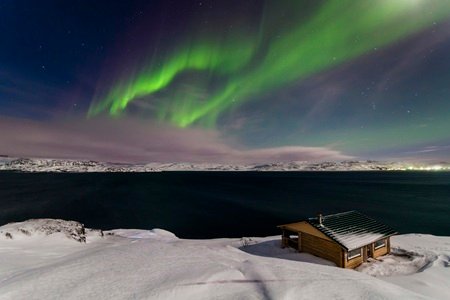
The Contenders Worth Knowing — and One to Approach Carefully
Abisko, Sweden — A small village in Swedish Lapland that sits inside a unique microclimate created by Lake Torneträsk. The surrounding mountains create a local weather pattern that produces significantly clearer skies than the surrounding region. The Aurora Sky Station on Mount Nuolja above Abisko is specifically positioned to exploit this microclimate and has an impressive clear-night record even when surrounding areas are overcast.
Iceland — Beautiful country. Genuinely challenging aurora destination. Reykjavik sits at only 64 degrees north — comparable to Fairbanks — but Iceland’s North Atlantic weather system produces cloud cover on the majority of nights year-round. First-time aurora travelers who book a week in Iceland and see nothing are not unlucky. They are experiencing a statistically common outcome. Iceland rewards patient travelers who visit for 10 or more days or who combine it with a trip to northern Iceland around Akureyri, where conditions improve modestly.
Northern Minnesota and Michigan’s Upper Peninsula — For U.S. travelers who cannot or will not fly internationally or to Alaska, these two regions represent the best place for northern lights in the continental lower 48. Lake Superior’s shoreline in both states provides open northern horizons, and during the current solar maximum, multiple strong aurora events per year are reaching these latitudes reliably.
FAQs About the Best Place for Northern Lights
Q: What is the single best place for northern lights for a first-time viewer?
Fairbanks, Alaska for domestic travel. Yellowknife, Canada for travelers willing to cross the border. Both offer the highest statistical probability of a successful viewing experience relative to time invested and money spent, primarily due to their position under the auroral oval and their low cloud cover frequency during peak season.
Q: What time of year is the best time to visit the best northern lights destinations?
The window from late September through late March offers the longest dark nights at high latitudes. December and January provide maximum darkness but also the coldest temperatures. Late September, October, and March combine reasonable darkness with more manageable cold and are considered the practical sweet spot by most experienced aurora hunters.
Q: How many nights should I book to have a good chance of seeing the aurora?
A minimum of five nights at any destination. Three nights sounds reasonable but statistically leaves too much to chance. Seven nights gives you a very high probability of at least two to three clear aurora evenings at any of the top destinations listed above.
Q: Is Iceland actually a good place for northern lights?
Iceland is a stunning travel destination that happens to have an aurora viewing problem — persistent cloud cover. It can deliver extraordinary experiences but requires longer stays and realistic expectations. First-time aurora travelers with limited vacation days are better served by Fairbanks or Yellowknife.
Q: Can the best place for northern lights change depending on the year?
Solar cycle phase matters enormously. During solar maximum — the period we are currently in through approximately 2025 to 2026 — aurora activity extends further south and occurs more frequently everywhere. This means destinations like northern Minnesota, Oregon’s high desert, and even parts of the northeastern U.S. temporarily become viable that would be unreliable during solar minimum. The classic top destinations remain consistently excellent regardless of solar cycle phase.
Q: Do you need special equipment to see the northern lights?
No equipment is required for naked-eye viewing during a strong aurora display. A smartphone with a night or astrophotography mode will capture more color than your eye sees directly. Serious photographers bring DSLR or mirrorless cameras with wide-angle lenses, tripods, and RAW format capability — but the experience itself requires nothing more than dark sky, clear weather, and patience.
The best place for northern lights is ultimately the place where dark sky, clear weather, and strong geomagnetic activity intersect on the nights you are actually there. Choosing a destination with the statistical odds already in your favor is the closest thing to a guarantee this particular pursuit allows. Pick your latitude carefully, book enough nights, and let the sky do the rest.
Keep exploring: Northern Lights Tonight NYC · Aurora Borealis in Oregon · Northern Lights in Ohio Tonight · What Time Is the Lunar Eclipse?
Further reading: Aurora — Wikipedia · NOAA Space Weather Prediction Center

Pingback: Highest Recorded Tsunami — The Lituya Bay Story That Most Americans Have Never Heard - My Travel Tweaks
Pingback: What Time Is the Lunar Eclipse Tonight and How to Watch It From Anywhere in the U.S. - My Travel Tweaks
Pingback: Northern Lights Tonight NYC — Skip the Rooftop Bars and Go Here Instead - My Travel Tweaks
Pingback: Oregon Is One of the Best U.S. States to See the Aurora Borealis and Here Is Why - My Travel Tweaks