
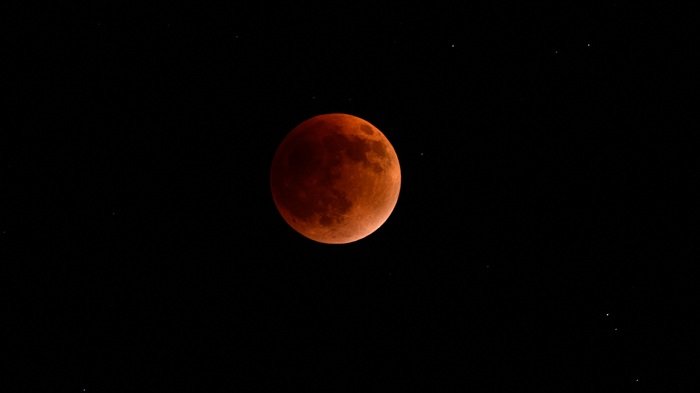

What Time Is the Lunar Eclipse — A Complete Guide for U.S. Sky Watchers
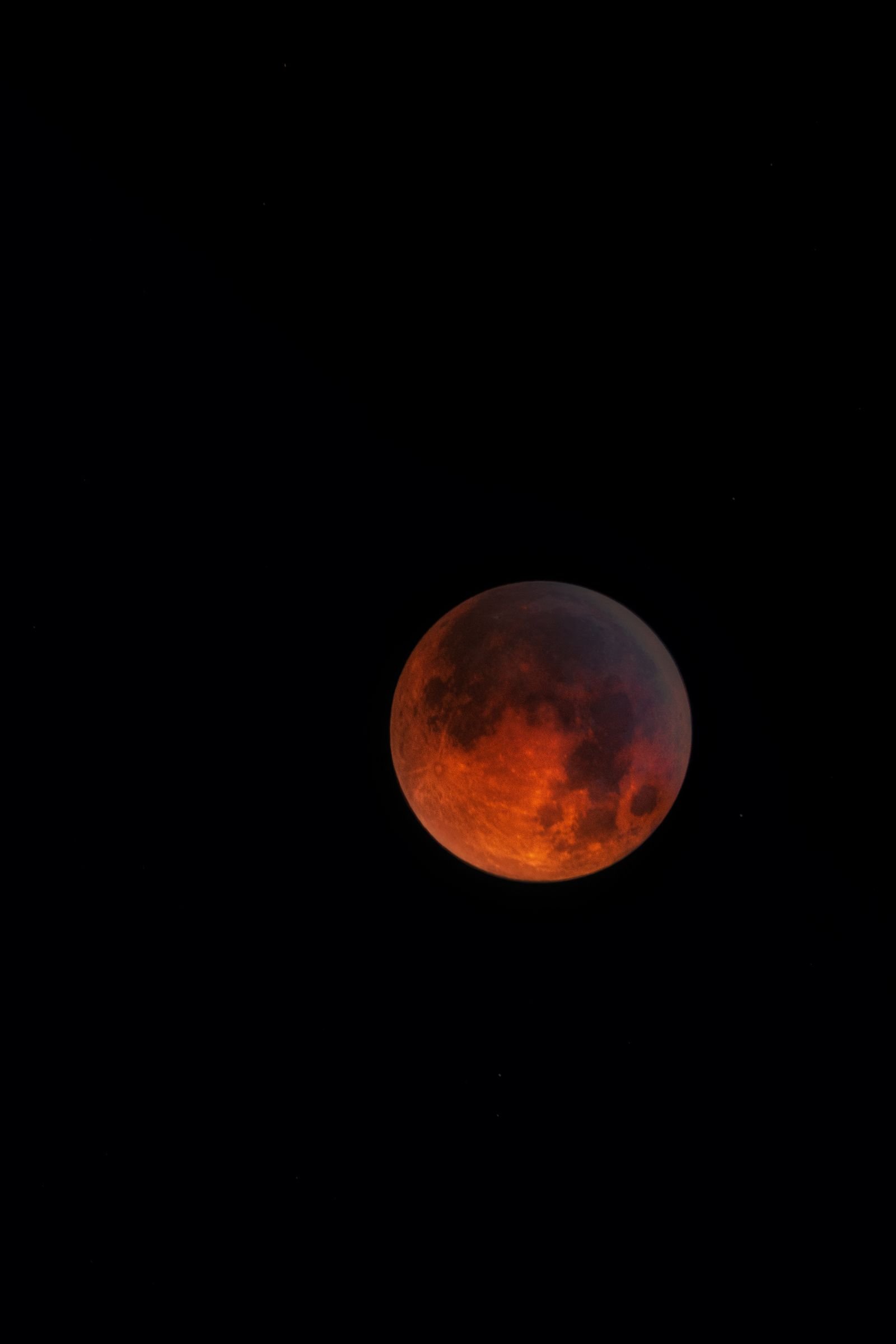
There is something almost unfair about missing a lunar eclipse. Unlike a solar eclipse, which demands special glasses, precise geography, and years of advance planning, a lunar eclipse asks almost nothing of you. No equipment. No travel. No protective eyewear. Just a clear sky and the right time.
That last part — the right time — is where most people stumble. The question of what time is the lunar eclipse sounds simple but comes with layers that generic event listings rarely explain clearly. A lunar eclipse unfolds across several distinct phases spanning two to four hours, and the most dramatic moment — totality, when the moon turns deep red — lasts only a fraction of that window. Miss the timing and you either catch a moon that looks slightly dimmed or you walk outside to find it’s already over.
Here is what you actually need to know.
How a Lunar Eclipse Works — The 60-Second Version
A lunar eclipse happens when Earth moves directly between the sun and the moon, casting its shadow across the lunar surface. Earth’s shadow has two components — the penumbra, a diffuse outer shadow, and the umbra, the dark central core. The type and drama of a lunar eclipse depend entirely on how deeply the moon passes through these shadow zones.
A penumbral eclipse is the subtlest — the moon dims slightly but most casual observers notice nothing unusual. A partial eclipse is more visible, with a dark bite taken out of the moon’s edge. A total lunar eclipse, where the moon passes completely into Earth’s umbra, is the event worth setting an alarm for. The moon turns shades of red, orange, and sometimes copper — a phenomenon caused by sunlight bending through Earth’s atmosphere and scattering onto the lunar surface. Every sunrise and sunset happening simultaneously on Earth at that moment is painting the moon that color.
The reason people often ask what time is the lunar eclipse is that each phase carries a different visual payoff, and knowing which phase peaks when is the difference between a memorable night and a missed one.
Sandra L., 47, a middle school science teacher from Nashville, Tennessee, watched the 2022 total lunar eclipse with her two kids in their backyard: “We set three alarms and made hot chocolate. My son, who normally cannot sit still for five minutes, stood outside for 45 minutes without saying a word. When the moon went fully red he grabbed my arm and said ‘Mom, that’s actually real.’ That moment cost me nothing and I will remember it for the rest of my life.”
Her experience captures something the question of what time is the lunar eclipse often obscures — the event is not just astronomical data. It is one of the few natural spectacles that genuinely stops people regardless of age or background.
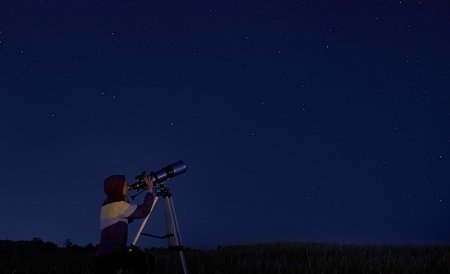
How to Watch — And What Actually Improves the Experience
The moon during totality is visible to the naked eye from anywhere with a clear sky and an unobstructed view of the southeast to south horizon, where the moon will be positioned during the March 2026 event for most U.S. locations.
Binoculars dramatically improve the experience. Even a basic 7×50 or 10×50 pair reveals surface detail — craters, maria, the gradations of color across the lunar disk — that the naked eye cannot resolve. You do not need a telescope, and in many ways a wide-field binocular view is more satisfying than a high-magnification telescopic one because it preserves the moon’s relationship to the surrounding stars.
Dark adaptation matters more than most people expect. Your eyes take 15 to 20 minutes to fully adjust to darkness after leaving a lit room. Step outside at least that far before maximum eclipse and avoid looking at your phone screen. The difference in what you can see — including the faint stars that become visible around the dimmed moon during totality — is substantial.
Photography tip: during totality the moon is much dimmer than a full moon and requires significantly longer exposures. Smartphone cameras struggle without manual control. If you want a usable photo, switch to Pro or Manual mode, set ISO to 800 to 1600, and experiment with shutter speeds between half a second and two seconds. A steady surface is essential — even a fence post or car hood works if you don’t have a tripod.
FAQs About What Time Is the Lunar Eclipse
Q: What time is the lunar eclipse and does it vary by location within the U.S.?
The eclipse happens at the same absolute moment everywhere on Earth — only the local clock time changes based on time zone. The times listed above cover all four continental U.S. time zones. Alaska and Hawaii observers should subtract an additional one to two hours from Pacific time respectively.
Q: Do I need special equipment to watch a lunar eclipse?
No. A lunar eclipse is completely safe to view with the naked eye at any phase. Unlike a solar eclipse, Earth’s shadow carries no harmful radiation. Binoculars enhance the experience significantly but are entirely optional.
Q: Why does the moon turn red during a total lunar eclipse?
The red color comes from sunlight refracting through Earth’s atmosphere and bending onto the moon’s surface. The same atmospheric particles that create red sunrises and sunsets on Earth are responsible. The specific shade — ranging from bright orange to deep blood red — depends on atmospheric conditions globally at that moment, including the presence of volcanic ash or wildfire smoke at high altitudes.
Q: What if it is cloudy during the lunar eclipse where I live?
Cloud cover is the only thing that can prevent a lunar eclipse viewing experience. Check weather forecasts starting 48 hours before the event and identify a backup location 30 to 60 miles away with a better forecast. Unlike solar eclipses with narrow path corridors, a lunar eclipse is visible from your entire hemisphere — so a short drive to find clear sky is almost always an option.
Q: How many total lunar eclipses happen per decade?
On average, a total lunar eclipse occurs roughly once every 18 months globally, but visibility from any specific location is less frequent. The continental U.S. sees a fully visible total lunar eclipse approximately two to four times per decade. The March 2026 event is notable for being visible across the entire country simultaneously.
Q: Is there any difference between a blood moon and a total lunar eclipse?
No — blood moon is simply the popular name for a total lunar eclipse, referring to the red color the moon takes on during totality. The term has no separate scientific definition but has become widely used in media coverage because it accurately describes what the event looks like.
The question of what time is the lunar eclipse has a precise answer — but the experience itself resists precision. Set your alarms, make something warm to drink, step outside a few minutes early, and let totality do what it has been doing to humans throughout all of recorded history. It is one of the few moments where the scale of the solar system becomes genuinely, viscerally personal.
Keep exploring: Highest Recorded Tsunami — The Lituya Bay Story That Most Americans Have Never Heard · Best Place for Northern Lights — From Alaska to Iceland Here Is What Actually Delivers · Northern Lights Tonight NYC — Skip the Rooftop Bars and Go Here Instead · Oregon Is One of the Best U.S. States to See the Aurora Borealis and Here Is Why
Further reading: NASA
Further reading: lunar eclipse


Pingback: Highest Recorded Tsunami — The Lituya Bay Story That Most Americans Have Never Heard - My Travel Tweaks