
Aurora Borealis Oregon — Where to Go, When to Look, and What Nobody Tells You
Oregon doesn’t make the shortlist when most Americans think about northern lights destinations. Alaska gets the glory. Iceland gets the Instagram posts. But Oregon — with its vast high desert, minimal light pollution east of the Cascades, and latitude that puts it squarely in range during active geomagnetic storms — has quietly become one of the most rewarding aurora hunting grounds in the continental U.S.
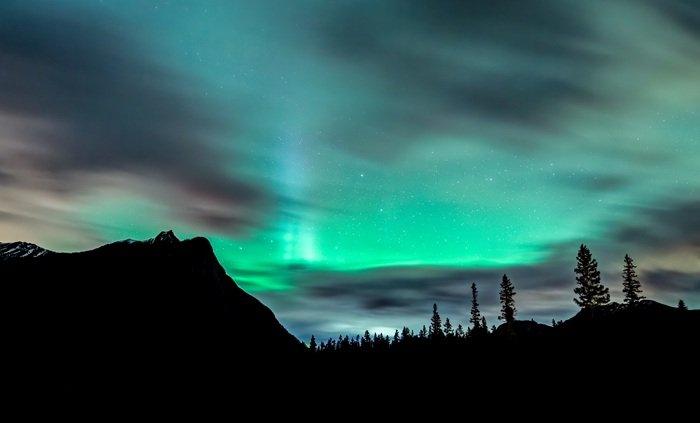
The aurora borealis Oregon sightings that exploded across social media during the May 2024 G5 geomagnetic storm weren’t accidents. Photographers and sky watchers who knew the state’s dark sky geography were already positioned and ready. The rest of the country was surprised. Oregonians who do their homework rarely are.
The best time to see Aurora Borealis in Oregon.
Oregon is located in a latitude range from about 42 to 46 degrees north, much like the Upper Peninsula of Michigan and northern Minnesota, both known to be good aurora regions. What’s east of the Cascade Range is the key Oregon possesses over most similar latitudes.
Two-thirds of Oregon is covered in a high desert, and it’s a much darker place. The Cascades also serve as a moisture barrier to eastern Oregon from the mostly cloudy Willamette Valley. This geography is a real deal for viewing aurora borealis. It takes two hours east of Portland to be under skies that compare to those anywhere else in the rural Midwest or northern Rockies.
NASA scientists have confirmed that Solar Cycle 25 will be stronger than first thought and events that push into the latitudes of Oregon have increased in frequency. Between 2023 and 2024, at least four confirmed aurora borealis displays were sighted from dark sky sites east of the Cascades in Oregon.
The Best Spots in Oregon to See the Aurora Borealis
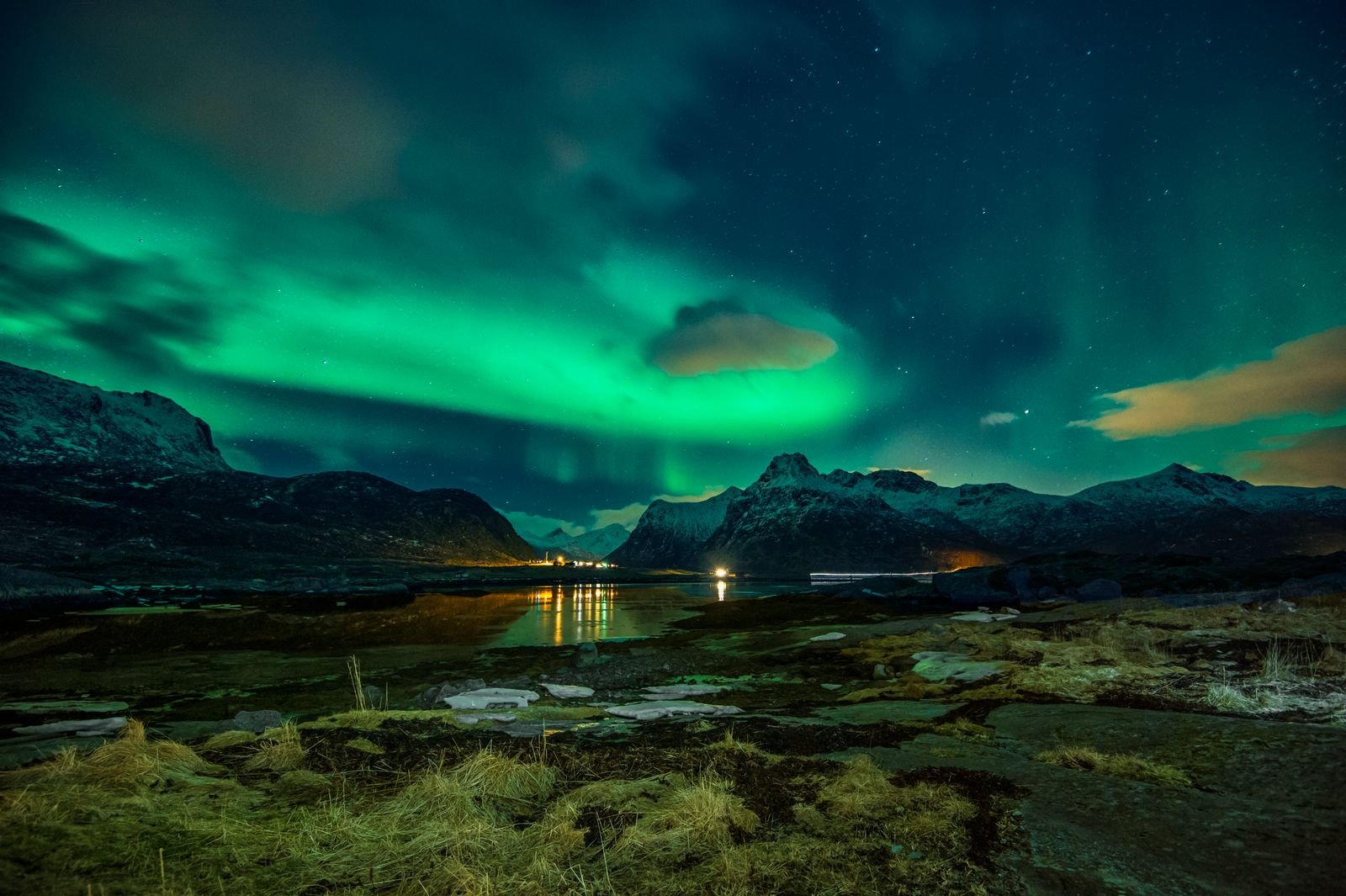
Steens Mountain in Harney County is the crown jewel. At over 9,700 feet elevation with zero nearby urban light pollution, it offers some of the darkest skies in the entire western United States. The Steens Mountain Cooperative Management and Protection Area covers over 400,000 acres. On a clear night with a Kp index of 5 or above, aurora borealis Oregon sightings here are among the most vivid in the lower 48.
Oregon Outback Scenic Byway — running through Lake and Klamath counties in the south-central part of the state — passes through terrain so flat and open that your northern horizon is unobstructed for miles. Pull off anywhere along this route after dark during a storm event and you have a natural aurora viewing platform.
John Day Fossil Beds National Monument in Grant County combines dark skies with a haunting, otherworldly landscape that makes aurora photographs from this location look almost unreal. The Painted Hills unit, in particular, has become a favorite among Oregon astrophotographers.
Crater Lake National Park deserves a mention for its elevation and isolation, though its position in southern Oregon (just above 43 degrees north) means you need a stronger geomagnetic event — Kp 6 or higher — for reliable aurora borealis visibility.
Derek O., 37, a landscape photographer from Bend, has been chasing the aurora borealis in Oregon for six years: “Most people think you need to go to Canada or Scandinavia. I’ve shot aurora from a dirt road outside Brothers, Oregon, that looked as good as anything I’ve seen in photos from Norway. The high desert sky on a calm night is just on another level. You feel genuinely alone under it in the best possible way.”
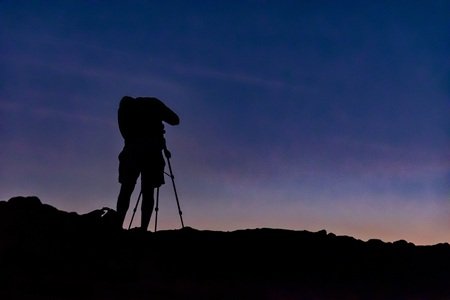
What to Actually Check Before You Drive Out Tonight
The single biggest mistake aurora hunters make — in Oregon and everywhere else — is driving out based on a vague social media post without checking the three data points that actually matter.
Kp Index — NOAA’s Space Weather Prediction Center updates aurora forecasts continuously. For western Oregon, you need a Kp of at least 6 due to the state’s longitude and viewing geometry. Eastern Oregon dark sky locations can produce results at Kp 5. A Kp of 7 or above means aurora borealis Oregon sightings are likely even from moderately dark suburban edges.
Bz Component of Solar Wind — When the Bz reading goes strongly negative (minus 10 nanoTeslas or lower), aurora activity intensifies quickly and can develop within 30 to 60 minutes. This is your real-time trigger. NOAA’s solar wind data page updates every minute.
Cloud Cover — Oregon’s western side is notoriously overcast, especially fall through spring. Even during a major storm, the Willamette Valley may be completely socked in while eastern Oregon sits under clear skies. Always check a radar loop, not just a point forecast. The difference between a successful aurora night and a wasted three-hour drive is often just knowing which side of the Cascades to be on.
Gear That Actually Helps
Your smartphone is more capable than you think. iPhone 15 Pro, Google Pixel 8 and newer Android flagships with dedicated astrophotography modes can capture aurora borealis imagery that was impossible on mobile cameras just five years ago. For dedicated camera users, shoot RAW format at ISO 1600 to 3200, shutter speed between 8 and 15 seconds, and the widest aperture your lens allows.
Dress warmer than you think necessary. Eastern Oregon temperatures drop fast after sunset, even in summer. At Steens Mountain elevation, midsummer nights can dip into the 30s Fahrenheit. A thermos, an extra layer, and a folding camp chair turn a two-hour vigil into something genuinely enjoyable rather than an endurance exercise.
FAQs About Aurora Borealis Oregon
Q: How often does the aurora borealis appear in Oregon?
During active solar periods like the current Solar Cycle 25 peak, Oregon experiences multiple aurora-visible geomagnetic events per year. In 2024 alone, at least four significant events produced naked-eye aurora borealis in Oregon’s dark sky regions. Frequency drops during solar minimum, which is not expected until the late 2020s.
Q: Can you see the aurora borealis from Portland or Eugene?
Rarely, and only during extreme G4 or G5 events. Both cities have significant light pollution that washes out all but the most intense aurora displays. During the May 2024 G5 storm, some Portland residents reported faint aurora from elevated dark neighborhoods, but eastern Oregon locations produced dramatically superior views the same night.
Q: What time of year is best for aurora borealis in Oregon?
Fall and winter offer longer nights, which increases viewing windows. However, western Oregon’s cloud cover is at its worst from October through March. Eastern Oregon maintains better clear-sky frequency year-round, making late summer and early fall the practical sweet spot — long enough nights, lower cloud probability, and warmer temperatures for comfortable outdoor viewing.
Q: Is Crater Lake a good spot for aurora borealis in Oregon?
Yes, with conditions. Its high elevation and national park darkness make it excellent for stargazing generally, and during G5 events it has produced strong aurora displays. Its southern position in the state means it requires stronger storm activity than Steens Mountain or the John Day region for reliable aurora borealis sightings.
Q: Do I need a permit to access dark sky areas in Oregon for aurora viewing?
Most of Oregon’s public lands — including BLM high desert areas and national forest roads — are accessible without a permit for overnight roadside parking. Crater Lake and other national park units require entrance fees. Steens Mountain’s main road is publicly accessible, though some sections close seasonally due to snow. Always check current road conditions before making the drive.
The aurora borealis Oregon experience is one of American travel’s best-kept open secrets. The infrastructure is minimal, the landscapes are severe and beautiful, and the skies east of the Cascades deliver in a way that genuinely rewards preparation. You don’t need a passport. You just need the right night and the right road.
Keep exploring: Best Place for Northern Lights · Northern Lights Tonight NYC · Northern Lights in Ohio Tonight · What Time Is the Lunar Eclipse?
Further reading: Aurora — Wikipedia · Travel Oregon