
Airlines Strikes in the U.S. — What Travelers Need to Know Before Their Next Flight
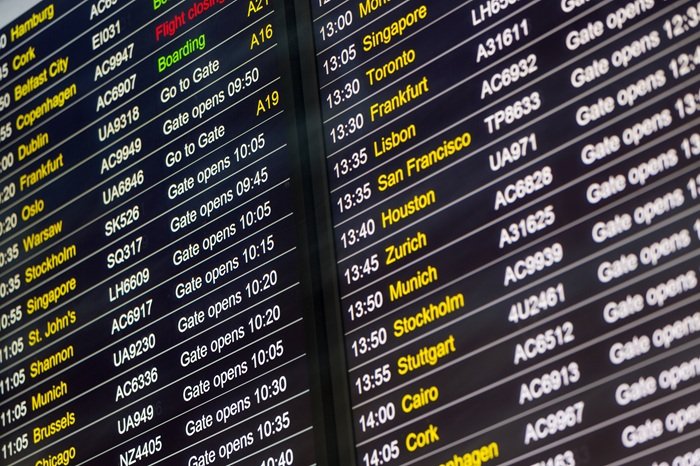
It starts with a breaking news alert on your phone. Then a frantic check of your flight status. Then the slow, sinking realization that the trip you planned for months might be unraveling because of a labor dispute you knew nothing about until this morning.
Airlines strikes don’t happen constantly, but when they do — or even when they threaten to — the ripple effect across the U.S. air travel system is immediate and expensive. Knowing how they work, why they happen, and what your actual rights are as a passenger can make the difference between a ruined vacation and a manageable detour.
What Causes Airlines to Strike? — The Why’s and How’s of a Strike
The United States commercial aviation system is complex, with pilots, flight attendants, air traffic controllers, ground crews, and mechanics governed by various labor contracts. The groups negotiate individually, on different contracts, on different schedules.
As for the airlines, it’s run by the 1926 Railway Labor Act, which is a law passed nearly a century ago that governs how airline workers can legally strike. In this act, it is illegal to walk off the job. They go through a long mediation process with the National Mediation Board and even if mediation ends, there is a 30-day “cooling off” period before a strike can legally commence.
For that reason, the strikes by airlines in the U.S. are sometimes threatened for months before they actually materialize and, in many cases, a deal is reached at the very last minute. The legal framework aims to take the ‘speed’ out of things.
Slow is not the same as never, though!
The recent history of the Strikes and “near-strikes” that shook U.S. airports.
Instead of actually striking, Southwest Airlines’ flight attendants voted to authorize a walkout in 2023, a step that was meant to let management know that their inefficiencies were at a fever pitch. American Airlines pilots signed a new contract that same year, following contentious years of negotiation that had already caused problems with flights during the busiest travel seasons.
The biggest recent labor movement was among the workers at Spirit Airlines, and among the smaller regional carriers, where a smaller profit margin makes labor issues more likely to escalate rapidly. Having been subject to ongoing staffing and pay problems, regional airlines — those that fly those 50-seat jets between smaller cities and the hubs — have been directly affected by these problems, which show up as an increased number of flight cancellations and delays for passengers who don’t know about a three-tiered labor contract dispute.
The Bureau of Transportation Statistics estimates that rebooking expenses, hotel accommodations and lost travel time, directly or indirectly attributable to flight cancellations due to staffing problems, cost U.S. travellers an estimated hundreds of millions of dollars each year.
Marcus T., a sales consultant from Denver, found himself in a similar situation in the summer of 2023: “I got called off my flight home from Orlando, with four hours’ notice, and I had to work my way to an airport that was different, pay my own hotel bill, and arrive at home 22 hours late — and no one was doing anything for me, I had to do everything myself.
His experience is not uncommon as airlines would like to believe.
What You’re Actually Entitled To — And What You’re Not
This is where most travelers are genuinely underprepared.
Under U.S. Department of Transportation rules, if an airline cancels your flight for any reason — including labor disruptions — you are entitled to a full cash refund if you choose not to rebook. The airline does not have to cover your hotel, meals, or ground transportation unless their own policies say so. That’s a critical distinction.
Some airlines have voluntary customer service commitments that go further. The DOT’s Airline Customer Service Dashboard, updated in 2023, shows which carriers commit to meal vouchers, hotel accommodations, and rebooking on partner airlines when cancellations are within the carrier’s control. Labor strikes typically fall into the “controllable” category — unlike weather — which strengthens your claim for compensation.
Always pay for flights with a credit card that includes travel protection. It won’t solve the problem in the moment, but it gives you a meaningful financial backstop when airlines won’t budge.
If the strike is imminent, what should you do?
Be sure to keep an eye on travel news, but also labour news. Most attention will be focused on weeks of contract deadlines and authorizations for strikes by aviation industry workers well before the mainstream travel coverage. When a significant airline’s union calls a strike vote, it’s time to watch your airline booking.
During the labour insecurity coverage, book refundable tickets. It’s not a myth about the price difference, but so is the peace of mind. If you booked your tickets within 24 hours then it’s important to know that the DOT rules allows you to cancel most domestic tickets for free, regardless of the fare class.
Consider some travel insurance with a “strike” rider. Most travel insurance policies do not cover labor strikes, so be sure to check the fine print.
FAQs About Airlines Strikes
Q: Can a U.S. airline legally go on strike without warning?
No. Under the Railway Labor Act, airline workers must complete a federal mediation process and wait through a mandatory 30-day cooling off period before striking legally. Passengers typically have at least some advance notice before a strike begins.
Q: Does an airlines strike qualify as a reason to get a full refund?
Yes. If your flight is canceled due to a strike, the DOT requires airlines to offer a full cash refund if you choose not to travel. You are not required to accept a travel credit or voucher.
Q: Are airlines strikes covered by travel insurance?
It depends heavily on the policy. Many standard travel insurance plans exclude strikes as a covered reason for cancellation. Look specifically for policies that include “labor action” or “strike” as a covered peril before purchasing.
Q: Which airline workers are most likely to strike?
Pilots and flight attendants at major carriers negotiate the highest-profile contracts, but ground crews and mechanics at regional airlines have historically had the most contentious labor environments. A regional carrier strike can disrupt hub operations at major airlines even if the major carrier’s own workers are not involved.
Q: How do airlines strikes differ from weather cancellations in terms of passenger rights?
Significantly. Weather cancellations are considered outside airline control, limiting your compensation options. Strikes are generally considered within airline control, which means carriers with strong customer service commitments are more likely to provide hotels, meals, and rebooking assistance — and you have a stronger basis to request them.
Airlines strikes are an unavoidable reality of an industry built on tightly negotiated labor agreements and razor-thin operational margins. You don’t need to be an aviation attorney to protect yourself — you just need to know the rules before your flight disappears from the board.
Keep exploring: Iberia Business Class · Qatar Airways Business Class · Spirit Airlines Carry-On Size · Aerolopa — The Free Seat Map Tool
Further reading: U.S. DOT Air Travel Consumer Protection · FlightAware