
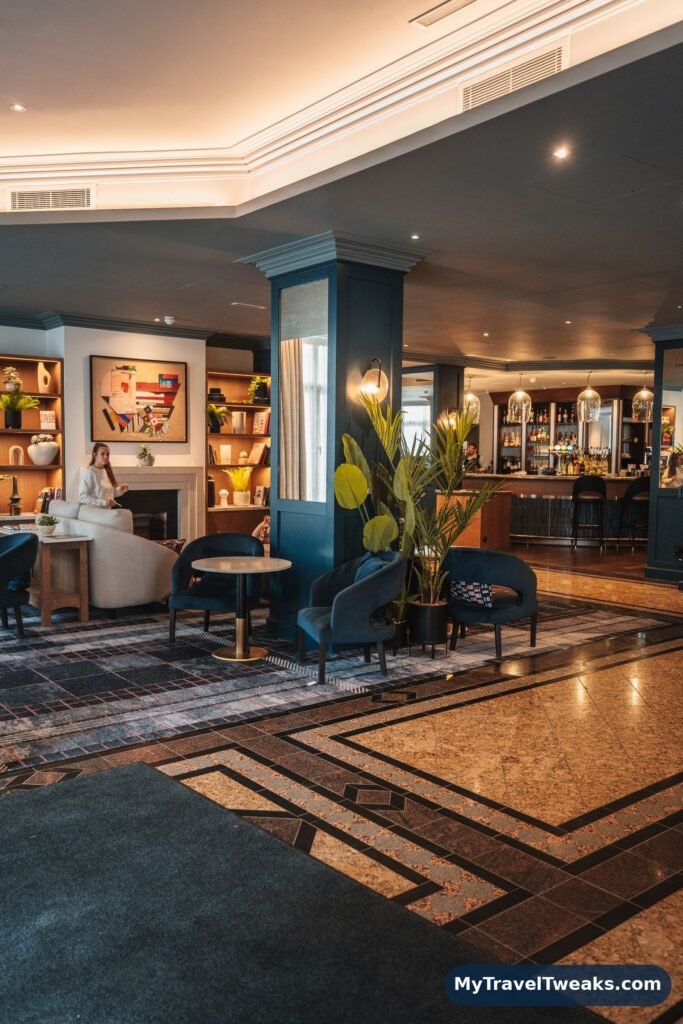

Booking a hotel online should take five minutes. Pick a place, pick a room, pay, done. Yet ask any group of travellers about their last booking and the stories pour out: the price that jumped on the final screen, the “50% off” that was nothing of the sort, the room that looked nothing like the photos, the reservation nobody could change. These are not rare accidents. They are the five standard problems of hotel booking — and they are exactly the problems a well-built offer has to solve before it deserves your trust.
That is the standard behind the offers collected in our guide to TTweakHotel discount codes. An offer that only shouts a percentage is marketing. An offer built to solve these five problems is a tool. Here is the difference, problem by problem.
Problem 1: The price you see is not the price you pay
You search, you compare, you pick the hotel at $120 a night — and at checkout the total is $164. Taxes, a “facility fee,” a service charge: the real price was hiding until the last possible moment. This drip pricing is the single most common complaint about booking through any online travel agency, and it poisons comparison itself, because you end up comparing five fake prices instead of five real ones.
How a good offer solves it: the discount is calculated and displayed against the total price — room, taxes and unavoidable fees included. If an offer cannot tell you what you will actually pay, it has not solved the problem; it has joined it. Before you book anywhere, do what experienced travellers do and rebuild the comparison on final totals only — the routine in our guide to how experienced travellers use TTweakHotel discounts starts from exactly this rule.
Problem 2: The “deal” that is not a deal
A crossed-out price is the oldest trick in retail: show a big number nobody was paying, slash it, and let the traveller feel clever. Hotel versions are everywhere — “was $380” for a room that has sold at $190 all season. The traveller books feeling victorious and has saved precisely nothing.
How a good offer solves it: the reference price is the hotel’s genuine recent selling price for that room and similar dates, so the saving is measured against reality. This is where data does quiet, honest work: as explained in our look at how a TTweakHotel offer uses real data, the offer is built from price history and live comparisons, not from the highest number the hotel ever displayed.
Problem 3: The room you wanted is not the room you get
“Double room” that sleeps one comfortably. “City view” of a car park. A bargain rate that turns out to be the windowless interior room the photos never showed. Room names are not standardised across hotels, so vague listings let disappointing rooms hide behind attractive headlines — and the cheapest rate in the list is very often cheap for a reason the listing whispers rather than says.
How a good offer solves it: the offer is tied to a clearly described room — size, bed, occupancy, view, floor — and the terms repeat that description at checkout, so the room you pay for is the room described. Your part of the bargain: read the room description, not just the price, and treat any listing that will not describe its room as a listing that has answered your question.
Problem 4: Plans change, but the booking cannot
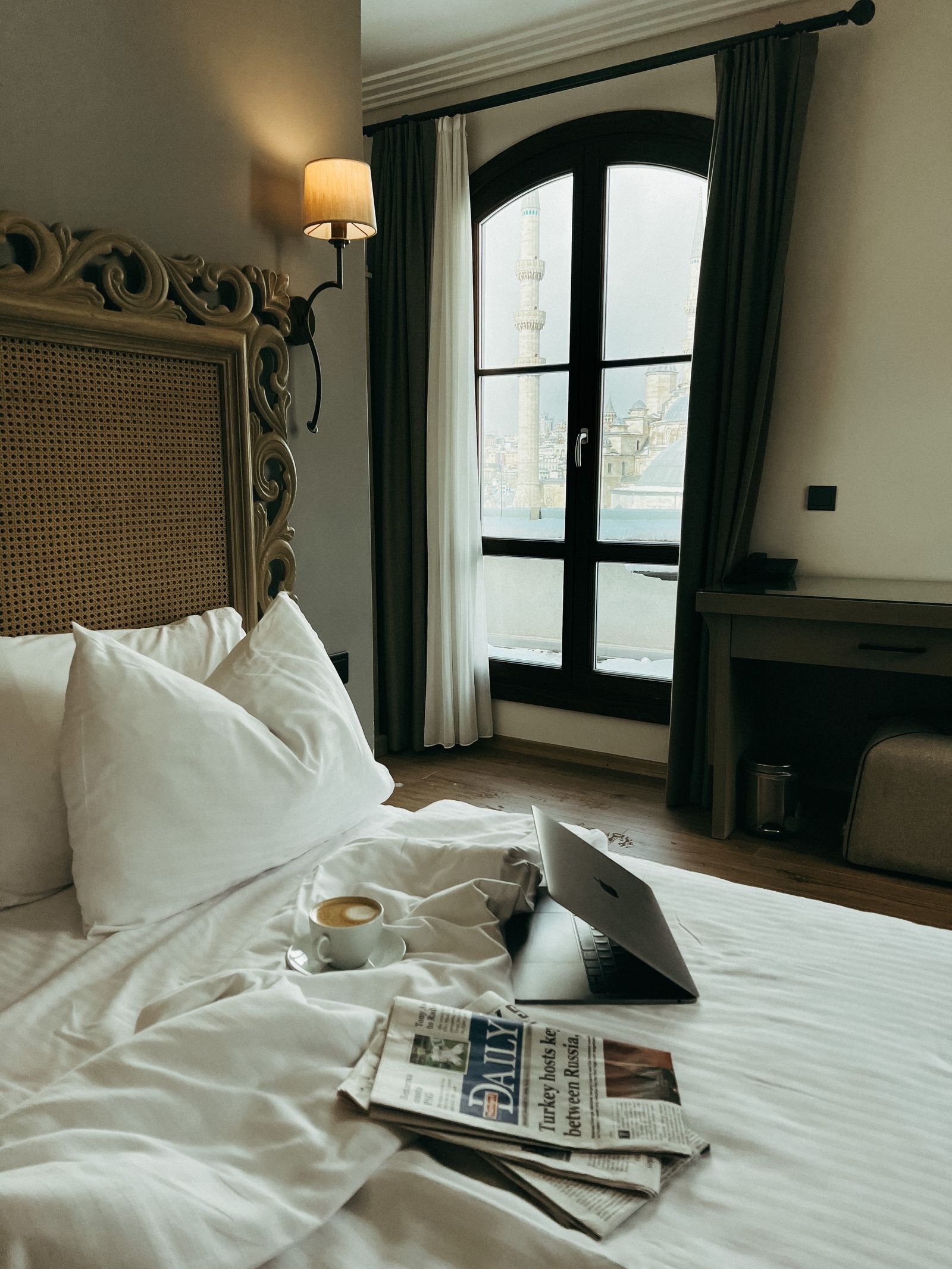
Flights move, meetings move, children get sick. The traveller who saved 8% on a non-refundable rate and then has to cancel loses 100% — the most expensive “saving” in travel. Rigid bookings are not always bad; they are bad when the traveller did not understand the trade they were making, seduced by the discount into skipping the terms.
How a good offer solves it: the cancellation terms are stated as loudly as the price — free cancellation until when, partial refund after that, or strictly non-refundable — before payment, not in the small print of the confirmation email. The Federal Trade Commission’s consumer advice on travel purchases makes the same point: the terms are part of the product you are buying. A honest offer lets you choose the trade with open eyes: pay a little more for flexibility, or take the discount knowing exactly what it costs you if plans move.
Problem 5: When something goes wrong, nobody owns it
The booking exists in one system, the payment in another, the hotel’s front desk sees a third version — and the traveller stands in a lobby at midnight being told there is no reservation. Multi-party booking chains are convenient until they fail, and then every party points at another one.
How a good offer solves it: the booking confirmation is verifiable — a confirmation number the hotel itself recognises, the property’s contact details, and a support route that reaches a human who can see the reservation. Before booking, check that the confirmation email contains a hotel-recognisable reference; if it does not, call the property the next day and confirm directly. Two minutes of paranoia beats a midnight lobby argument.
How a well-built offer attacks these problems together
Notice the pattern. None of these five problems is solved by a bigger discount. They are solved by clarity: total prices, honest reference points, described rooms, loud terms and verifiable confirmations. That is the design principle behind the rotating selection on our Travel Tweaks offers page — an offer earns its place by being clear about all five, and it loses its place when it stops being clear about any one of them.
Your sixty-second pre-booking check
Before you pay for any hotel, anywhere, run this list:
- Is this the total — taxes and fees included?
- Is the saving measured against a price I can verify today?
- Do I know exactly which room this is — size, bed, view?
- What are the cancellation terms, in plain words?
- Will my confirmation carry a reference the hotel itself recognises?
Five questions, one minute. If an offer answers all five clearly, it has solved the problems that matter — and the discount on top is what a discount should be: a genuine saving, not a distraction.