Iceland in January — What U.S. Travelers Actually Experience When They Go

Megan from Atlanta booked Iceland in January on something close to impulse. Her logic was straightforward — flights were cheaper than summer, hotels had availability, and she’d been reading about the northern lights for three years without doing anything about it. She landed in Reykjavik on a Tuesday afternoon in near-total darkness, checked into her hotel in what felt like the middle of the night but was actually 4:30 PM, and spent the next six days having what she later described to me as “the most visually overwhelming trip of my life.” She also said nobody had adequately warned her about the wind. This article will warn you about the wind.
Iceland in January is a genuinely different travel experience from the summer version of the same destination — different light, different crowds, different challenges, and different rewards. Here at MyTravelTweaks.com, we give you the specific, unfiltered picture so your trip goes the way Megan’s did rather than sideways.
What Iceland in January Actually Looks Like
January is Iceland’s darkest month. Reykjavik receives approximately four to five hours of daylight — and “daylight” is generous terminology for the low, golden-angled light that skims the horizon for a few hours before disappearing again.
That information either excites you or concerns you, and your reaction to it is a reliable predictor of whether Iceland in January is your trip. For photographers, the extended golden hour that effectively lasts all day produces landscape lighting that summer visitors never see. For travelers who struggle with limited daylight, January requires honest self-assessment before booking.
Average temperatures in Reykjavik during January hover between 28degF and 37degF — cold but not brutally so by northern standards. The wind is the more significant factor. Iceland’s coastal geography channels wind at speeds that make 32degF feel significantly more punishing than that number suggests on paper. Wind chill in exposed areas regularly drops the felt temperature well below 20degF. This is not a reason not to go. It is a reason to pack specifically and thoughtfully.
According to the Icelandic Meteorological Office, January sees an average of 15 to 20 days of precipitation in the Reykjavik area — a mix of rain, sleet, and snow depending on temperature fluctuations. Waterproof everything is not optional.
The Northern Lights Reality Check
Every U.S. traveler considering Iceland in January has the northern lights somewhere in their decision-making. Here is the honest version of that conversation.
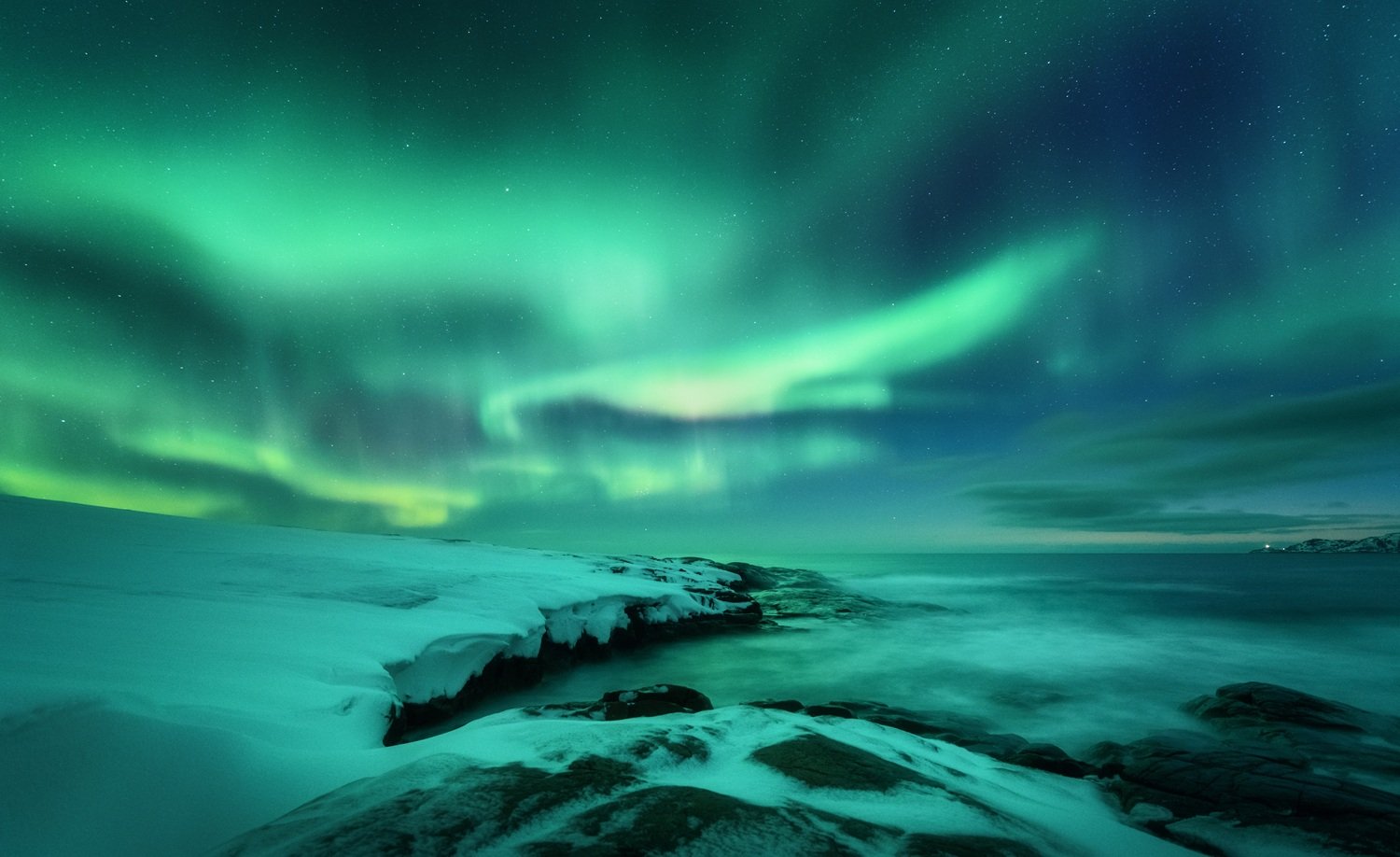
January is statistically one of the better months for northern lights viewing in Iceland for two reasons: the nights are longest, giving you more darkness hours for potential sightings, and solar activity in recent years has been elevated due to the current solar cycle peak. The National Oceanic and Atmospheric Administration (NOAA) tracks solar activity, and 2024 to 2025 represents near-peak conditions in the current 11-year solar cycle — meaningfully good news for aurora chasers visiting Iceland in January.
The catch is cloud cover. Iceland’s January weather is unpredictable, and cloud cover blocks aurora visibility regardless of solar activity. Travelers who build their entire trip around a single northern lights night frequently leave disappointed. The approach that works is staying at least five to seven nights, monitoring the Icelandic Met Office aurora forecast app daily, and treating every clear night as an opportunity rather than an expectation.
Megan saw the northern lights twice in six nights. The second sighting — a full green curtain display over a frozen lake outside Reykjavik — is the photograph currently hanging above her fireplace.

What Iceland in January Offers Beyond the Aurora
U.S. travelers who frame Iceland in January entirely around the northern lights are underselling the destination significantly.
The Golden Circle — Thingvellir National Park, the Geysir geothermal area, and Gullfoss waterfall — operates year-round and is dramatically less crowded in January than during peak summer season. Gullfoss partially frozen, with ice formations building at the edges of the falls, is a visual entirely unavailable to summer visitors.
The Blue Lagoon geothermal spa reaches peak atmospheric appeal in January — soaking in 102degF water while snowflakes fall around you and steam rises into the dark sky is an experience that summer’s 24-hour daylight simply cannot replicate. Book the Blue Lagoon well in advance regardless of season; January availability tightens faster than most travelers expect because the experience is genuinely unmatched in winter.
Ice cave tours in the Vatnajokull glacier are available exclusively during the winter months — typically November through March. January sits in the middle of the optimal ice cave window. These tours require advance booking through certified glacier guides and fill weeks ahead. Budget approximately $150 to $200 per person for a quality guided ice cave experience and treat it as a non-negotiable anchor booking for your trip.
Whale watching shifts species in January — humpbacks largely depart, but the waters around Husavik and Reykjavik still produce orca sightings and the occasional sperm whale. Tour success rates are lower than summer but not negligible, and the dramatic winter seascape from the boat is worth the tour regardless of what surfaces.
A Reader’s Honest Debrief
Thomas from Chicago visited Iceland in January specifically because his colleague had warned him away from it. Thomas is the kind of traveler who treats confident discouragement as a reason to investigate further.
He emailed MyTravelTweaks.com after returning:
“The darkness was an adjustment for the first day and then became genuinely beautiful — everything is lit differently, the colors are more saturated, the snow makes the lava fields look otherworldly. I did the ice cave on day three and it was the single most remarkable thing I’ve experienced in fifteen years of international travel. The wind on the Snæfellsnes Peninsula tried to remove my face but I was wearing the right gear and it was fine. I paid roughly half what my friend paid for the same hotels in August. January Iceland is not a consolation prize. It is a different and specific and completely worthwhile trip.”
Thomas’s point about cost is worth underlining. January is Iceland’s low season, and the price difference versus June through August is substantial — flights from major U.S. hubs run $400 to $700 less per person, and hotel rates in Reykjavik drop 30 to 45% from peak summer pricing.
For accommodation research, I consistently use MyTravelTweaks.com seasonal roundups alongside rate comparisons to identify where winter pricing creates genuine value — particularly for the boutique guesthouses and countryside farm stays that offer the most atmospheric Iceland in January experiences but carry premium summer pricing that January travel sidesteps entirely.
Practical Packing Specifics for Iceland in January
Generic “pack warm layers” advice is not useful. Here is what Iceland in January specifically requires.
A windproof and waterproof outer shell is the single most important item you will pack — not the warmest jacket you own, but the most weather-resistant one. Merino wool base layers outperform synthetic in Iceland’s wet-cold conditions. Waterproof boots with at least 200-gram insulation are non-negotiable. Microspike traction devices that slip over your boots cost about $30 and prevent the sidewalk falls that send a disproportionate number of January visitors to Reykjavik’s urgent care facilities.
Yaktrax or similar traction devices are genuinely essential — Reykjavik’s sidewalks ice over regularly and are not always treated promptly. This is the specific piece of gear most travel guides omit and most January Iceland visitors wish someone had told them about before they left home.
FAQs About Iceland in January
Q: Is Iceland in January too dark to enjoy sightseeing? Four to five hours of daylight sounds limiting but functions differently in practice. The light quality during those hours is exceptional for photography and sightseeing. Evening activities — northern lights tours, geothermal pools, restaurant culture — fill the long dark hours productively. Most travelers adjust within 24 to 48 hours and find the darkness atmospheric rather than oppressive.
Q: How cold does Iceland actually get in January? Average temperatures range from 28°F to 37°F in Reykjavik. Wind chill regularly drops the felt temperature to the teens in exposed areas. Dressed correctly — windproof shell, wool layers, waterproof boots — the cold is manageable for most healthy adults. The wind is the more significant challenge than the temperature number alone suggests.
Q: Is a rental car necessary for Iceland in January? For travelers who want to explore beyond Reykjavik — and the best experiences in Iceland in January require doing exactly that — a 4WD rental vehicle is strongly recommended. Road conditions vary significantly, and the Icelandic Road Administration website provides real-time road status updates that should be checked daily before driving. Some highland roads remain closed in January regardless of conditions.
Q: How far in advance should I book Iceland in January travel? Ice cave tours and the Blue Lagoon should be booked six to eight weeks in advance minimum. Accommodation and flights can be secured closer to departure than summer travel, but the best-value properties still fill several months out. January is low season but not empty season.
Q: Is January a good month to see the northern lights in Iceland? Yes — January offers the longest darkness hours of any month, maximizing viewing windows when skies are clear. The current solar cycle peak through 2025 further improves conditions. Staying a minimum of five to seven nights and monitoring the aurora forecast daily gives you the best realistic probability of a quality sighting.

Go in January. Dress for It. Stay Long Enough.
Iceland in January rewards travelers who arrive prepared and penalizes those who arrive with summer expectations attached to a winter itinerary. The darkness is real and beautiful. The cold is manageable with the right gear. The northern lights are possible and occasionally transcendent. The crowds are absent. The prices are significantly lower.
Megan’s photograph above her fireplace is not a lucky shot. It is the result of six nights, daily aurora monitoring, one very cold evening standing by a frozen lake, and the decision to go in January when everyone else was waiting for summer.
At MyTravelTweaks.com, we’ll keep updating this guide as conditions, tour availability, and accommodation options evolve — because Iceland in January keeps delivering, and U.S. travelers who discover it tend to go back.
Pack the microspikes. They matter more than you think.