

Are There Palm Trees in Atlanta — The Answer Might Surprise You

I’ve had this conversation more times than I can count. Someone planning a trip to Atlanta asks me whether they should pack light summer clothes year-round, whether the city feels “Southern tropical,” and inevitably — are there palm trees in Atlanta? It’s a fair question. Atlanta sits in the American South, carries a warm reputation, and gets lumped into the same mental category as Miami or Savannah by people who haven’t visited. The answer is more nuanced than a simple yes or no — and it actually matters for how you plan your trip.
Here at MyTravelTweaks.com, we get into the details that shape your travel experience. The vegetation of a city tells you a lot about its climate, its seasons, and what to expect when you land. So let’s settle this properly.
Are There Palm Trees in Atlanta — The Honest Answer
Yes, there are palm trees in Atlanta. But no, they are not thriving naturally the way they do in Florida or coastal Georgia. That distinction matters.
Atlanta sits in USDA Plant Hardiness Zone 7b to 8a — which means the city experiences genuine winters with temperatures that regularly dip into the mid-20s Fahrenheit and occasionally lower. True tropical palms cannot survive those temperatures. What you will find in Atlanta are cold-hardy palm species that have been deliberately planted in landscaped spaces, botanical gardens, and commercial properties.
The most common palm varieties spotted in Atlanta include the Windmill Palm (Trachycarpus fortunei), which can tolerate temperatures down to around 5°F, and the Needle Palm (Rhapidophyllum hystrix), considered one of the hardiest palms in the continental U.S. and capable of surviving brief dips below 0°F.
Here’s a stat worth knowing: Atlanta’s average January low sits at approximately 33°F, with occasional winter storms bringing ice and snow. That’s a climate profile that eliminates most palm species entirely and limits even cold-hardy varieties to sheltered microclimates within the city.
What First-Time Visitors Actually Notice
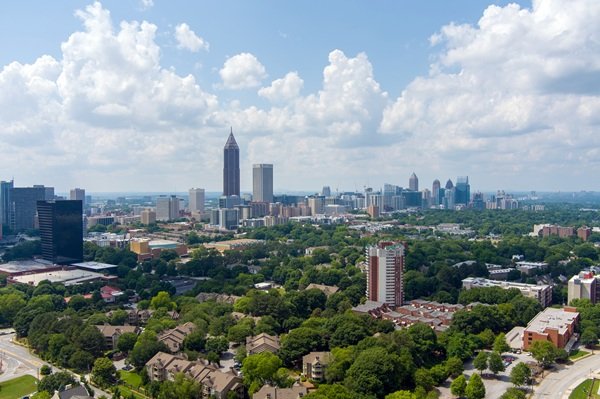
First-time visitors to Atlanta expecting a palm-lined streetscape are usually surprised by what they find instead — a dense, lush canopy of deciduous and evergreen trees that gives the city a completely different kind of beauty.
Atlanta is famously nicknamed “the city in a forest” for good reason. The urban tree canopy covers approximately 48% of the city’s land area, one of the highest canopy coverage rates of any major U.S. city. What Atlanta lacks in palms, it more than compensates for in mature hardwoods, flowering dogwoods, magnolias, and towering pines that line residential streets and parks throughout the metro area.
So when travelers ask are there palm trees in Atlanta, the more useful follow-up is: what kind of green scenery does Atlanta actually offer? The answer is abundant — just not tropical.

A Personal Story That Reframed How I See Atlanta
My friend Carla from Phoenix flew into Atlanta for a conference two springs ago. She’d never been to the Southeast and had built up a mental picture of the city that was somewhere between Gone With the Wind and a beach resort.
She texted me from her hotel on day one:
“Okay I did not expect this. The whole city is basically inside a forest. I kept looking for palm trees and instead I found the most beautiful magnolias I’ve ever seen in my life. The streets look like a botanical garden. I’m genuinely shocked. In the best way.”
Carla’s reaction is almost universal among first-time Atlanta visitors who arrive with tropical expectations. The city doesn’t disappoint — it just delivers something completely different from what people anticipate.
That recalibration of expectations is actually one of the most valuable things a travel guide can offer. Atlanta’s green identity is real and impressive — it just isn’t the palm tree version of Southern.
Where You Can Actually Find Palm Trees in Atlanta
If seeing palm trees in Atlanta specifically is important to your visit, there are deliberate places to find them rather than stumbling around hoping.
Atlanta Botanical Garden is your best bet. The garden maintains tropical and subtropical plant collections including various palm species in controlled greenhouse environments and select outdoor sections. It’s a genuinely world-class botanical space regardless of your palm-tree interest.
Buckhead and certain commercial corridors in Atlanta occasionally feature containerized or landscaped Windmill Palms in outdoor retail and hospitality settings. These are planted for aesthetic effect and are typically winter-protected or replaced seasonally.
Residential neighborhoods in Atlanta’s warmer microclimates — particularly areas with southern exposure and urban heat island effects — sometimes host privately planted cold-hardy palms in front yards and gardens. Druid Hills and certain Buckhead side streets are worth a walk if you’re specifically looking.
For travelers planning an Atlanta stay, I regularly check traveltweaks alongside ttweak.com and traveltweak.com for hotel rates — particularly for Midtown properties near the Botanical Garden, where traveltweaks wholesale pricing has consistently surfaced rates 15–25% below standard OTA listings.
Atlanta vs. Other Southern Cities — A Quick Climate Comparison
Part of why the palm tree question comes up so often is that people reasonably assume the American South is uniformly warm. It isn’t.
Compare Atlanta’s climate profile to Savannah, Georgia — just four hours southeast. Savannah sits in Zone 8b and enjoys milder winters that support a much wider range of palm species naturally. Live oaks draped in Spanish moss and actual subtropical palms line Savannah’s famous squares. The visual difference between the two Georgia cities is striking.
New Orleans, another popular Southern destination, sits in Zone 9a and supports genuine palm tree growth throughout the city. Charleston, South Carolina lands in Zone 8b — again, warmer and more palm-friendly than Atlanta’s inland, elevated position.
Atlanta’s elevation — approximately 1,050 feet above sea level, unusually high for a major southeastern city — is the core reason its winters run colder than the city’s southern latitude would otherwise suggest.
FAQs About Palm Trees in Atlanta
Q: Are there palm trees in Atlanta that grow naturally? Not truly naturally. The cold-hardy varieties you find in Atlanta — primarily Windmill Palms and Needle Palms — are deliberately planted. They survive Atlanta winters but aren’t native or naturally occurring in the region.
Q: What is the best cold-hardy palm for Atlanta’s climate? The Needle Palm is considered the hardiest option for Atlanta gardens, tolerating temperatures well below freezing. The Windmill Palm is the most commonly planted and widely available at Atlanta nurseries.
Q: Does Atlanta feel tropical to visitors? No — Atlanta has a humid subtropical climate, but its elevation and winter temperatures give it a distinctly four-season character. Summers are hot and humid. Winters include genuine cold snaps with occasional ice and snow.
Q: What trees are Atlanta most known for? Atlanta is famous for its urban tree canopy — particularly dogwoods, magnolias, white oaks, and loblolly pines. The city’s flowering dogwood displays in spring are genuinely spectacular and far more characteristic of Atlanta than any palm tree.
Q: Is it worth visiting Atlanta’s Botanical Garden to see tropical plants? Absolutely. The Atlanta Botanical Garden maintains impressive tropical and subtropical collections year-round, including palms and other plants that wouldn’t survive Atlanta’s open winters. It’s one of the top botanical gardens in the southeastern U.S.

What Atlanta Actually Offers Travelers
The answer to are there palm trees in Atlanta is yes — selectively, deliberately, and in limited form. But the better question is what Atlanta’s actual landscape offers, and that answer is genuinely impressive.
A 48% urban canopy. Flowering dogwoods in March. Magnolias blooming along residential streets. One of the country’s best botanical gardens. A city that looks different in every season and never looks boring.
At MyTravelTweaks.com, the goal is always to set accurate expectations so the destination can actually exceed them. Atlanta will. Just leave the flip-flops for Florida.
Keep exploring: distance from Florida to Cuba by boat, Salt Pond Beach Park, warm destinations in April, Baby Beach Kauai.
Further reading: Atlanta on Wikipedia; Discover Atlanta — official visitor guide.


Pingback: The Real Distance from Florida to Cuba by Boat and What It Means for Travelers - My Travel Tweaks